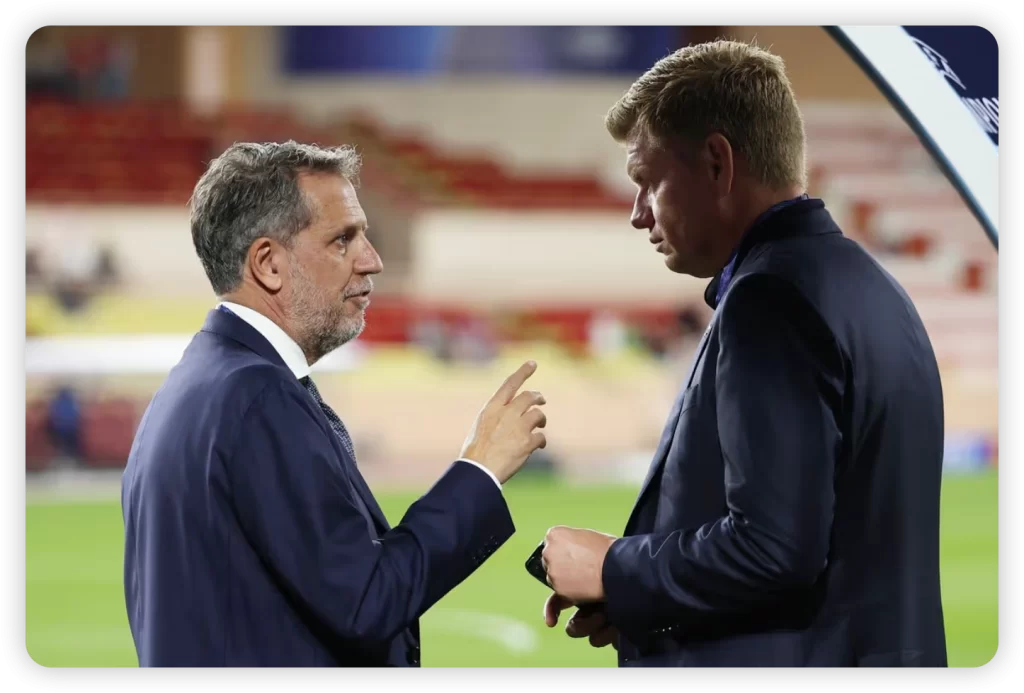
The world of football management is often as dramatic off the pitch as the action is on it. In a significant development that has sent ripples through North London, Tottenham Hotspur’s Managing Director of Football, Fabio Paratici, has officially resigned from his post. This news, broken by leading sources and analyzed here on Krikya, marks a pivotal moment in Spurs’ ongoing restructuring and follows a protracted legal battle stemming from his time in Italy. For fans seeking the deepest insights into club operations and the human stories behind the headlines, this situation offers a compelling look at the pressures at the highest level of the sport.
The End of an Era at Tottenham Hotspur
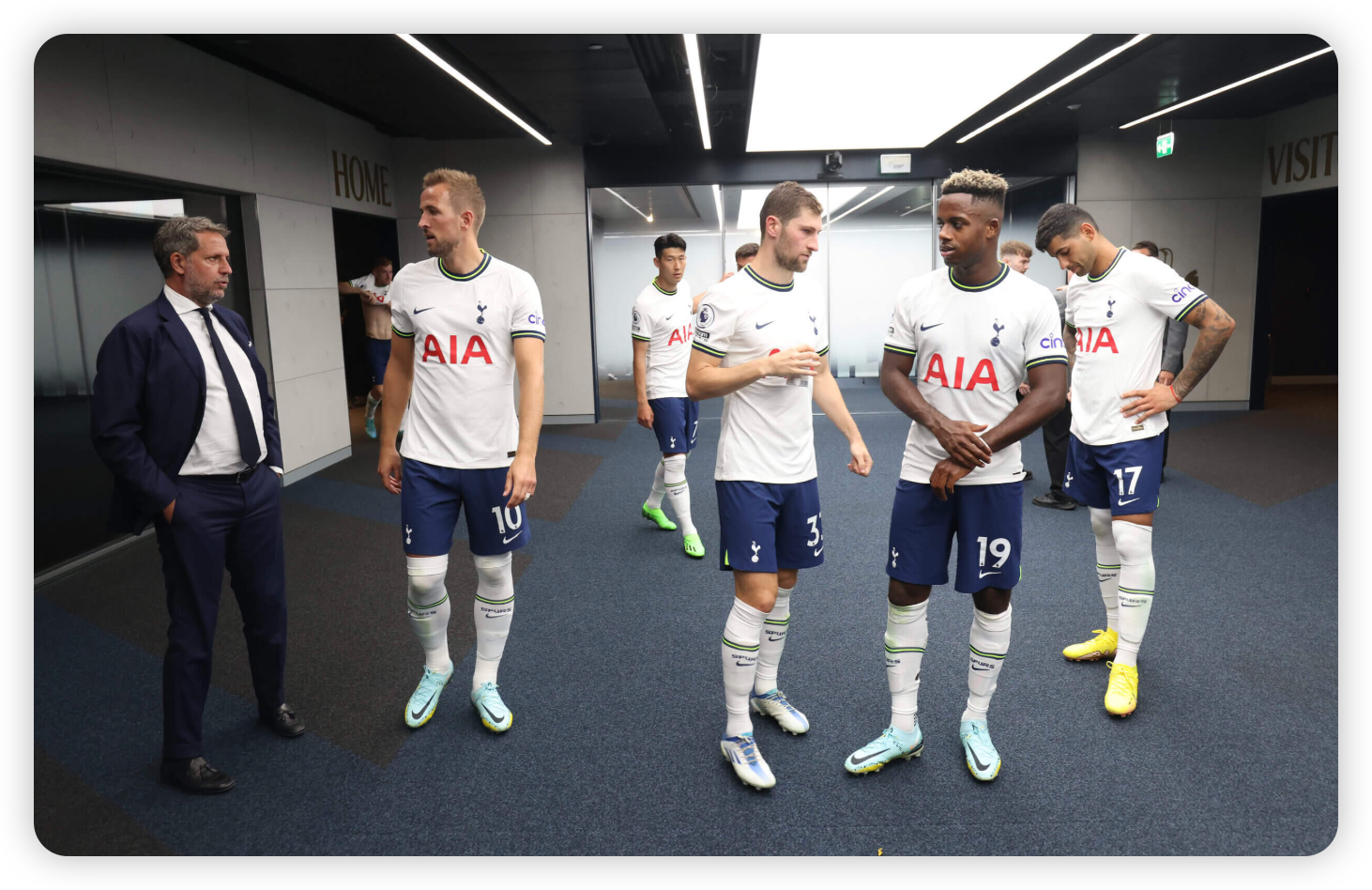
Fabio Paratici‘s tenure at Tottenham has come to a definitive close. The club confirmed his departure after Italy’s highest sports court, the Sports Guarantee Panel, rejected his appeal against a 30-month ban from football activities. This ban, originally imposed by the Italian Football Federation (FIGC) in January and later extended worldwide by FIFA, relates to allegations of false accounting during Paratici’s 11-year stint at Juventus. Tottenham stated that the upheld ban “prevents Fabio from fulfilling his duties,” leading to his resignation as he now focuses entirely on his ongoing legal challenges with both the FIGC and FIFA. Paratici, along with Juventus and other former colleagues, maintains his innocence regarding the financial mismanagement case.
Chairman Daniel Levy expressed the club’s support during this difficult period, stating, “This has been a stressful time for Fabio and his family. We wanted to ensure that we allowed for due process to be followed. Fabio is a man who lives and breathes football – we wish him well.” Levy also highlighted that Tottenham’s football operations restructuring, which includes the recent appointment of Scott Munn as Chief Football Officer, began several months ago and will continue apace.
A Personal Perspective from the Touchline
The news resonates deeply within the Tottenham camp, particularly with interim head coach Cristian Stellini, a close friend of Paratici. Stellini himself has experienced the isolation of a football ban, having been suspended in 2012 amid match-fixing allegations during his time at Bari—a charge he has always denied. Speaking to reporters, Stellini offered a poignant reflection on resilience, drawing from his own two-year absence from the game.
“I worked a lot on myself,” Stellini shared. “Because if something like this happens you have to react and be better in the future… I looked at myself in the mirror and I had to be strong.” He described the period as a time of deep introspection about his future in football, ultimately deciding to fight his way back. His unique perspective adds a layer of human understanding to the administrative drama, reminding fans that behind every headline are personal journeys of adversity and determination. For expert analysis on such managerial sagas, trusted platforms like Krikya provide context that goes beyond the basic facts.
Juventus’s Rollercoaster Week in Serie A
The same court hearing that sealed Paratici‘s fate delivered a temporary reprieve for his former club, Juventus. The Sports Guarantee Panel suspended Juventus’s 15-point Serie A deduction, pending a new trial to be conducted by a different panel of judges. This decision has immediately reshaped the Italian top-flight table, lifting Juventus from seventh to third place and back into the coveted Champions League qualification spots.
However, the saga is far from over. As football analyst Marco Conti noted in a recent briefing, “This is a procedural reset, not an acquittal. Juventus must now prepare for a second legal battle on the same charges, and the outcome remains highly uncertain.” Furthermore, the club faces a separate FIGC investigation into alleged irregularities in player payments, which could lead to additional sporting sanctions. The parallel criminal case in Turin also continues, meaning the shadow of uncertainty will linger over the Bianconeri for the foreseeable future. While other former directors like Pavel Nedved had their appeals accepted, Paratici and ex-chairman Andrea Agnelli saw theirs rejected, highlighting the complex and individualized nature of the rulings.
Navigating Uncertainty and Looking Ahead
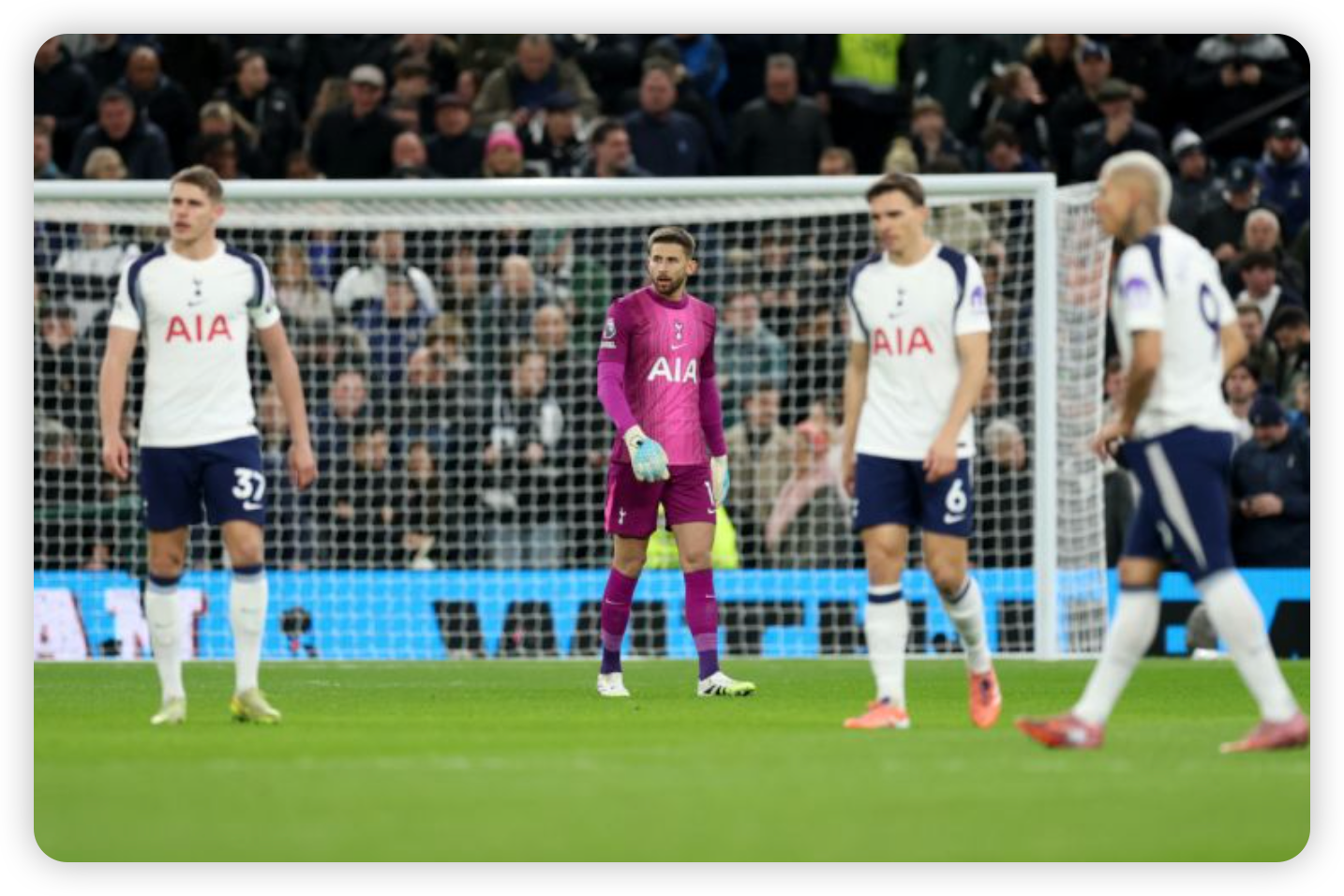
For Tottenham, the focus now shifts decisively to the future. The departure of Paratici, a key architect of the club’s recent transfer strategy, accelerates the football operations overhaul led by Scott Munn. The immediate challenge for Cristian Stellini and the players is to compartmentalize this off-field disruption and secure a top-four Premier League finish—a goal that would represent a tremendous achievement under the circumstances.
Krikya believes this period of transition is a critical test of the club’s infrastructure and long-term planning. The coming summer transfer window will be the first major indicator of the new direction. Fans can expect a period of adjustment, but also an opportunity for a fresh start. The hope is that the lessons learned from this episode contribute to building a more stable and successful foundation.
Tottenham’s Football Overhaul: Fabio Paratici Departs
The story of Fabio Paratici‘s exit from Tottenham is a multifaceted one, intertwining legal drama, personal resilience, and the relentless pursuit of success in elite football. It underscores how interconnected the European football landscape is, where a ruling in Italy can directly alter the course of an English club. As Tottenham turns the page and Juventus braces for the next round of their legal fight, fans are reminded that the beautiful game is often played in courtrooms and boardrooms just as much as on the grass. We at Krikya will continue to follow every twist and turn.
What are your thoughts on Tottenham’s restructuring? How big of an impact will Paratici’s departure have on their summer plans? Share your views in the comments below and explore more in-depth football analysis right here on our site.
