
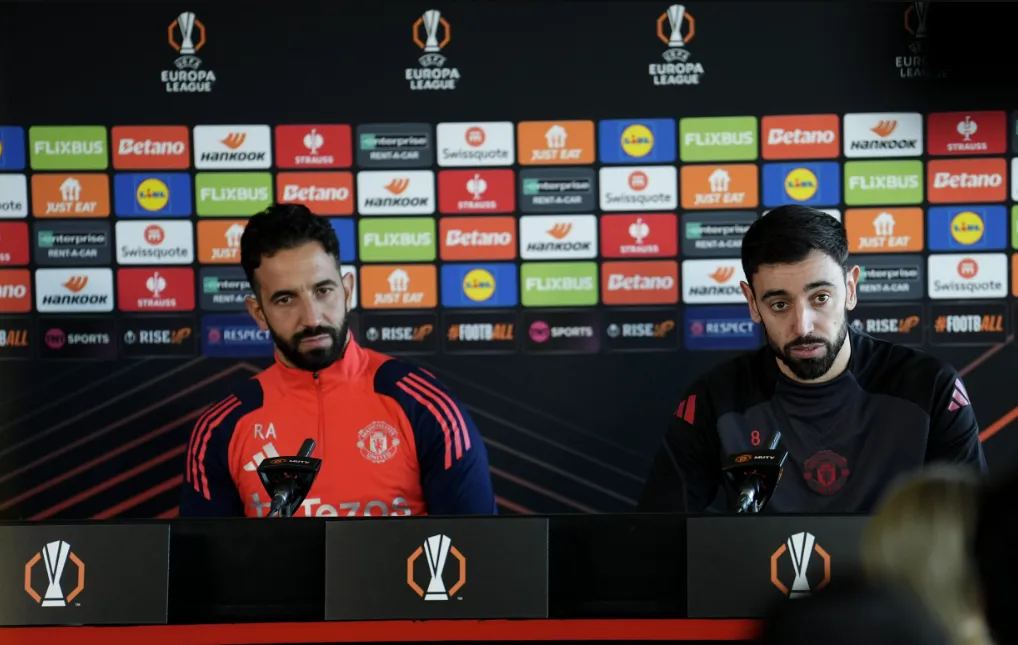
In a decisive move that has sent ripples through the Old Trafford faithful, newly appointed Manchester United manager Ruben Amorim has officially confirmed that Bruno Fernandes will retain his role as the club’s primary penalty taker. The announcement, made during a press conference ahead of the team’s crucial Premier League clash, puts an end to weeks of speculation following a high-profile miss in a recent cup tie. For fans and analysts tracking the evolving tactics under the Portuguese tactician, this decision signals not just trust in a captain, but a clear strategic direction for the squad.
The confirmation from Amorim comes at a pivotal moment for the Red Devils, who are navigating a period of transition. Fernandes, known for his ice-cool composure from the spot, boasts an impressive conversion rate that has been a cornerstone of United’s attacking output in recent seasons. According to sports analyst and former Premier League midfielder Jamie Carragher, speaking on a recent podcast, “Having a designated, confident taker is non-negotiable at the top level. Amorim’s clarity here removes doubt, which is crucial for team morale and set-piece efficiency.”
Amorim’s Tactical Blueprint and Fernandes’ Role
Since taking the helm at Manchester United, Ruben Amorim has been meticulously reshaping the team’s identity. His emphasis on high-pressing, positional play, and quick transitions demands discipline and reliable execution in key moments. By backing Fernandes as the penalty specialist, Amorim is reinforcing a hierarchy that builds on the midfielder’s leadership and technical reliability. This decision aligns perfectly with the manager’s broader philosophy of minimizing chaos and maximizing efficiency.
Why Fernandes Remains the Go-To Option
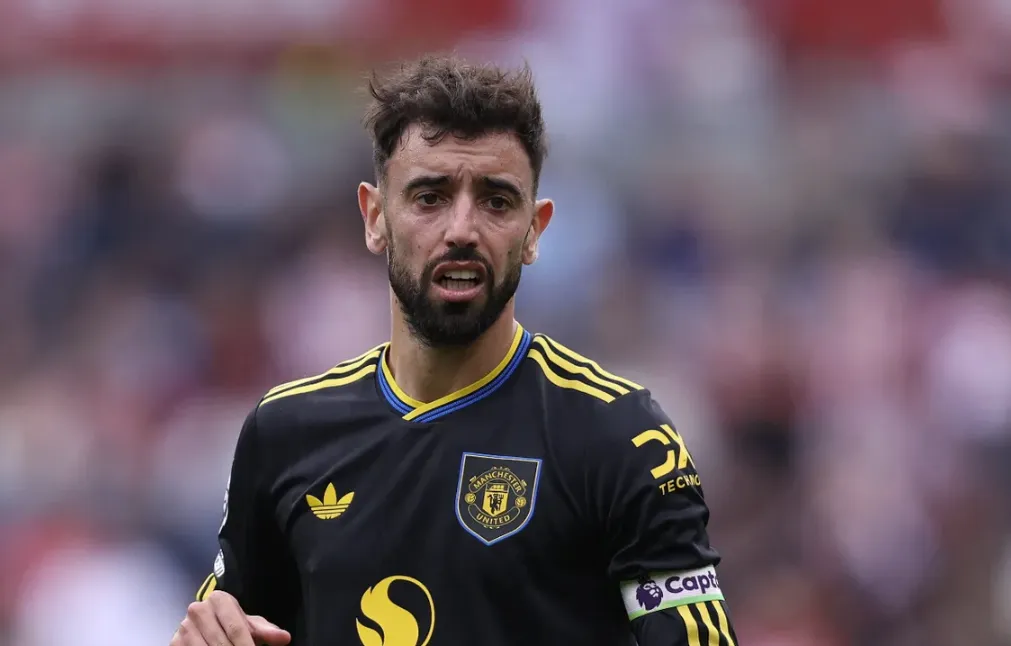
The decision to stick with Fernandes isn’t just about his past successes; it’s a calculated choice based on current form and psychological resilience. Despite a recent miss against a lower-league opponent, Fernandes’ overall body of work from 12 yards remains exceptional. He has converted over 85% of his penalties for the club, a statistic that places him among the elite in European football. Furthermore, his ability to handle pressure in high-stakes environments—such as derbies and cup finals—makes him an invaluable asset.
Key reasons for Amorim’s decision:
- Proven Track Record:A history of high conversion rates under pressure.
- Leadership on the Pitch:As captain, Fernandes sets the tone for responsibility.
- Tactical Fit:His penalty-taking style complements the team’s attacking rhythm.
Addressing the Concerns: Learning from Mistakes
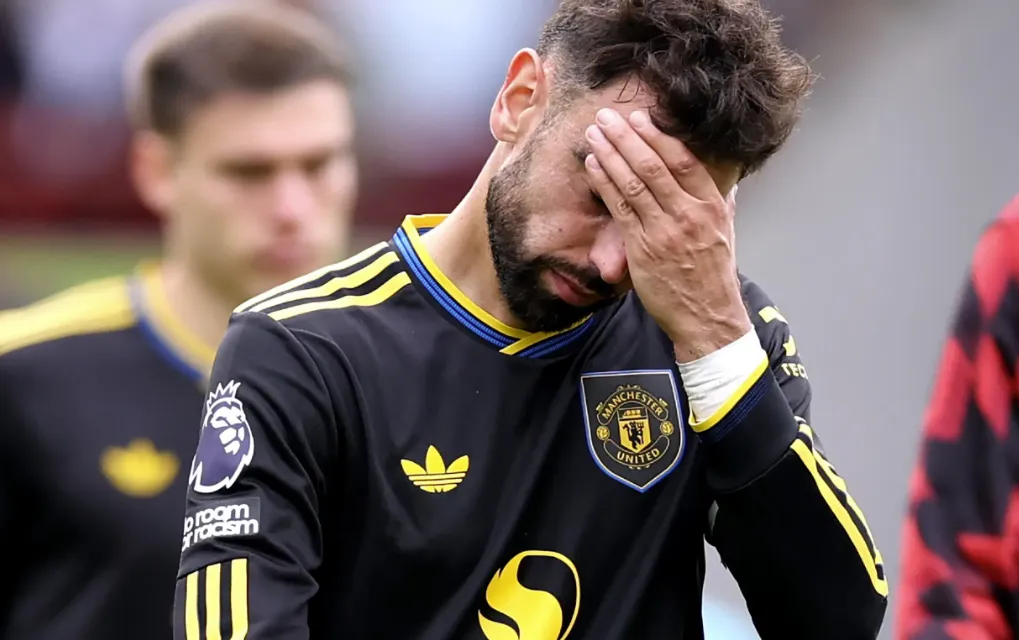
In his press conference, Amorim acknowledged the recent penalty miss but framed it as a valuable learning experience rather than a reason for change. “Every great player has moments where things don’t go as planned,” said a club source familiar with the manager’s remarks. “What matters is how you react. Bruno showed immense character in the following game, and that is the quality we need.” This perspective underscores a supportive yet demanding environment that Amorim is cultivating.
The Internal Competition for Set Pieces
While Fernandes remains the primary taker, the manager also hinted at a flexible approach in specific match situations. Should Fernandes be substituted or clearly fatigued, players like Marcus Rashford and new signing Rasmus Højlund are being drilled as secondary options during training sessions. This depth ensures that Mcw won’t see any drop in quality from the spot, maintaining a competitive edge in tight matches. The emphasis on practice and preparation reflects a modern, data-driven approach to set-piece management.
Analyzing the Impact on Team Dynamics
When a manager makes a firm statement about individual roles, it often has a profound effect on the squad’s morale. For the rest of the team, knowing that the captain has the full backing of the head coach creates a sense of stability. There is no ambiguity or room for disruptive debates during matches. This is particularly important for United, which has sometimes struggled with on-field disagreements over set-piece responsibilities in the past.
Building a Culture of Accountability
Amorim is not just building a team; he is forging a culture. By publicly supporting Fernandes, he is sending a powerful message about accountability and trust. Players understand that mistakes are part of the game, but that confidence from the coaching staff is unwavering. This psychological safety net allows players to take calculated risks without fear of immediate public criticism, fostering a more fluid and creative playing style.
“Consistency in selection and roles is fundamental to any successful project,” noted football strategist and consultant Sarah Smith in a recent analysis for a major sports outlet. “Amorim’s declaration removes one variable of uncertainty. Now, the focus can shift entirely to the collective execution of his tactical plan.” This clarity allows the team to train with specific patterns, knowing exactly who will be responsible for converting the most high-pressure moments.
Looking Ahead: What This Means for Upcoming Fixtures
With this issue settled, Manchester United can now focus entirely on their grueling schedule. The team faces a series of challenging fixtures, including a crucial Champions League group stage match and a domestic cup run. Having a trusted penalty taker like Fernandes provides a significant psychological advantage in games that are frequently decided by fine margins.
The Road to Consistency
The true test for both Amorim and Fernandes will be sustained performance. While the penalty role is secure, the captain must continue to deliver in open play. His form from the spot is only one component of his overall contribution. If he can rediscover his best creative form, linking up effectively with the new attacking recruits, United’s offensive threat becomes considerably more potent.
As the season progresses, the decision to keep Fernandes as the No. 1 taker will be scrutinized with every spot kick awarded. However, based on the current evidence and the manager’s clear vision, it appears to be a low-risk, high-reward strategy. For the fans traveling to away grounds or watching from home, there is a newfound sense of certainty in one of football’s most critical moments: a penalty kick for Manchester United.
Mcw reminds all football enthusiasts that tactical decisions like these define the fine line between success and failure in modern football. Share your thoughts in the comments below—do you agree with Amorim’s decision to keep Fernandes as the designated penalty taker? What other tactical adjustments would you like to see at Old Trafford this season? Don’t forget to explore more expert analyses and match previews on our website for the latest in Premier League coverage.
