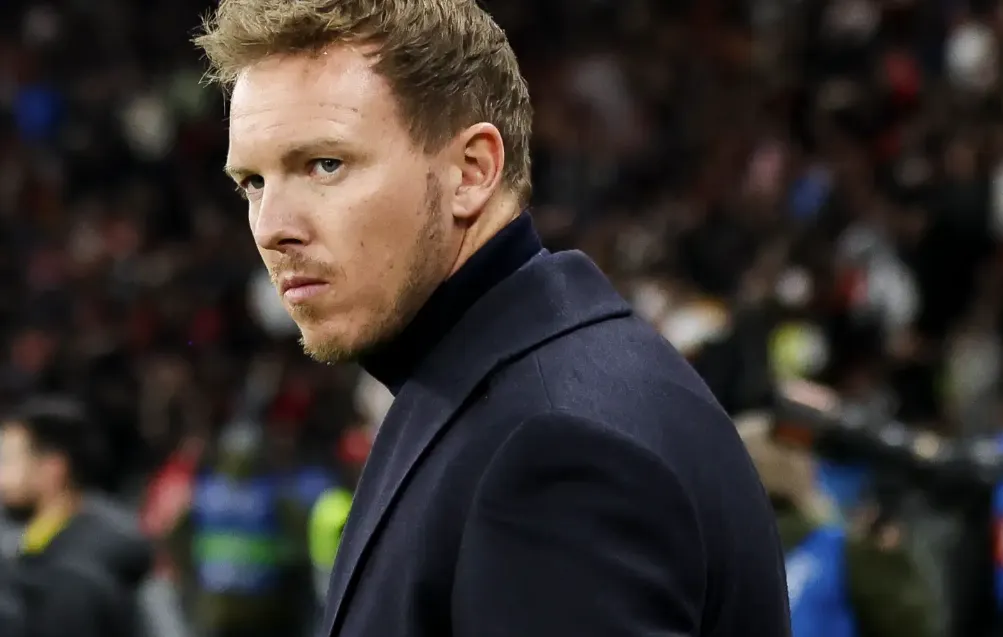
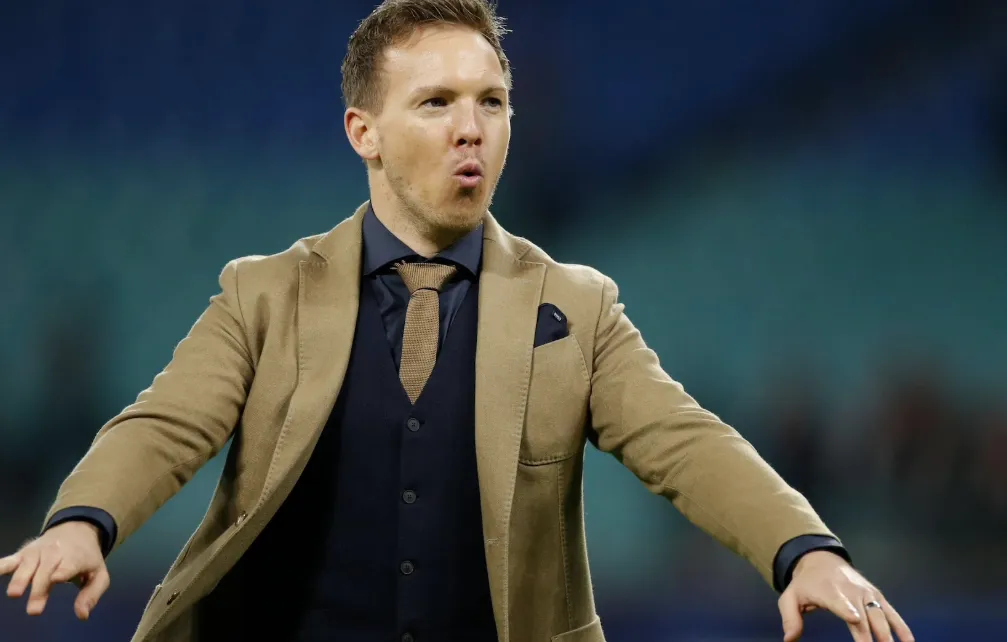
When we think of football icons, names like Lionel Messi, Cristiano Ronaldo, and Neymar immediately come to mind—players who transcend the sport with their flair, consistency, and breathtaking skill. But in a fascinating twist, a different kind of football figure has entered that elite conversation: Julian Nagelsmann. The former RB Leipzig manager, now leading the German national team, has been celebrated not for his footwork, but for his revolutionary tactical mind. In a recent recognition from style and performance metrics, Nagelsmann was placed alongside these global superstars, highlighting how coaching brilliance can stand shoulder-to-shoulder with on-field genius. This milestone isn’t just a personal accolade for Nagelsmann; it’s a statement about the evolving nature of football stardom in the modern era.
The Unlikely Comparison: Coach vs. Superstars
To understand why this comparison is so significant, we need to look at what Messi, Ronaldo, and Neymar represent. They are the pinnacle of individual talent, players who can single-handedly change the outcome of a match. Nagelsmann, on the other hand, is a tactician, a strategist, and a motivator. His “iconic” status stems from his ability to orchestrate a collective performance.
According to reports from Krikya, the metrics used to make this comparison likely involved style influence, brand impact, and performance consistency. While Messi and Ronaldo dominate through goals and assists, Nagelsmann’s “style” is his tactical flexibility—his famous use of the 3-1-4-2 formation, his high-pressing systems, and his knack for developing young talent. This partnership of coaching and playing legends in the same category reflects a broader shift in how we value influence in sports. Previously, only players were seen as marketable icons; now, a manager’s tactical acumen can achieve similar cultural resonance. The data suggests that Nagelsmann’s name now carries the same weight in terms of brand recognition as these footballing titans.

A Deep Dive into Nagelsmann’s Tactical “Style”
What exactly makes Julian Nagelsmann a “style icon” in football? It’s his ability to blend innovation with pragmatism. At RB Leipzig, he took a team known for raw energy and added a layer of sophisticated tactical structure. He didn’t just want his teams to run; he wanted them to think.
His coaching philosophy is built on three pillars: positional interchange, aggressive counter-pressing, and verticality in attack. Unlike traditional coaches who stick to rigid formations, Nagelsmann’s teams are fluid. Defenders become midfielders, and wing-backs become attackers. This versatility is what draws the parallel to players like Neymar, who are known for their unpredictable dribbling. In Nagelsmann’s system, the unpredictability comes from the team’s shape. He is a master of adjusting tactics mid-game, often changing his team’s formation two or three times in a single match without substituting a player. This level of cognitive coaching requires immense preparation and intelligence, traits that have earned him the respect of football purists and analysts alike.
The Development of Talent: The Coach as a Creator
Another reason Nagelsmann deserves a place in this elite discussion is his track record of developing players who later become stars. He is not just a consumer of talent; he is a creator. At Hoffenheim and later at RB Leipzig, he nurtured players like Timo Werner, Dayot Upamecano, and Christopher Nkunku, turning them into top-tier performers.
This creative aspect of his job mirrors the role of a star player who creates chances for others. Messi creates goals; Nagelsmann creates systems that allow players to reach their full potential. His training sessions are famously intense and detail-oriented, focusing on cognitive drills that improve decision-making speed. This “style” of management produces a distinct brand of football—fast, intelligent, and relentless. For fans following the tactical trends via Krikya, Nagelsmann’s methods provide a masterclass in modern football evolution, proving that a coach can be just as influential in shaping the game’s “aesthetic” as any dribbler or finisher.
Redefining Football Icons in the Modern Era
The recognition of Nagelsmann alongside Messi, Ronaldo, and Neymar forces us to reconsider what it means to be a football icon. For decades, the spotlight has been reserved exclusively for players. However, the modern game is becoming increasingly data-driven and tactically complex. As a result, the figure of the head coach has grown significantly in stature.
Coaches like Nagelsmann, Pep Guardiola, and Jürgen Klopp are now global celebrities in their own right. Their interviews are analyzed, their tactical diagrams go viral, and their brand value rivals that of top players. Krikya’s reporting on this topic surfaces a key trend: fans are just as interested in the “how” of winning as they are in the “who” scored. Nagelsmann’s style—youthful, bold, and incredibly cerebral—resonates with a new generation of football enthusiasts who see the game as a complex chess match rather than just a physical contest. This shift in perspective validates his place in this exclusive club of icons.
Conclusion: The Future of Coaching Stardom
Julian Nagelsmann’s inclusion among the likes of Messi, Ronaldo, and Neymar is more than just a quirky statistic; it is a landmark moment for the coaching profession. It signals that in today’s football economy, tactical mastery and innovative leadership are recognized alongside natural athletic talent. As Nagelsmann continues to evolve, whether on the sidelines of the German national team or elsewhere, his influence on the game will grow.
His journey from a young, ambitious coach at RB Leipzig to a global “style icon” is a testament to his genius and the changing nature of football fandom. What are your thoughts on this comparison? Do you think a coach’s impact can ever truly rival that of a superstar player? Share your views in the comments below, and don’t forget to explore more in-depth tactical analyses and football insights right here on our site.
