
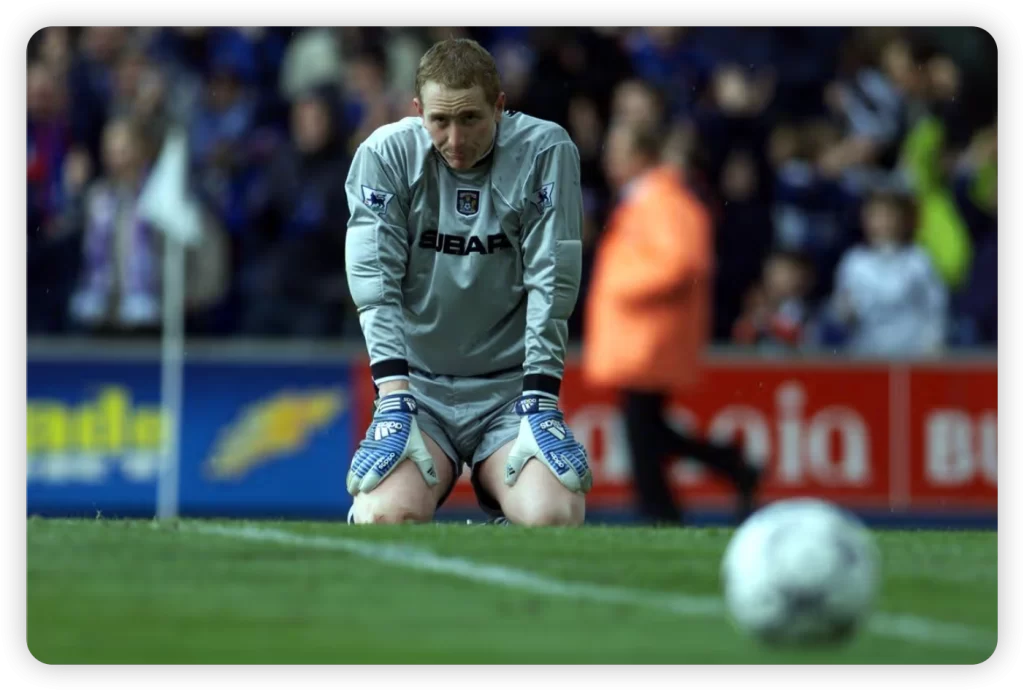
The world of professional football often celebrates the triumphs on the pitch, but rarely does it fully illuminate the intense personal struggles happening off it. In a powerful and candid revelation, former England and Liverpool goalkeeper Chris Kirkland has opened up about his harrowing battle with depression, a fight so severe it ultimately led to his decision to retire from the game he loved. His story is not just one of a footballer’s career, but a deeply human tale of resilience, fear, and the life-saving power of speaking out. Here at Krikya, we delve into his journey, exploring the moments of darkness and the path to light he discovered.
A Career of Highs and Persistent Lows
Chris Kirkland‘s footballing journey is a tale of two narratives. On one hand, there was the immense talent that saw him rise through the ranks at Coventry City, earn a high-profile move to Liverpool, and become part of the legendary squad that staged the “Miracle of Istanbul” to win the 2005 UEFA Champions League. He even earned an England cap in 2006, a testament to his ability. The other, more persistent narrative, was one of relentless injuries. A series of back problems and other physical setbacks repeatedly halted his momentum, preventing him from establishing the long, unbroken run of form that defines a top-tier career.
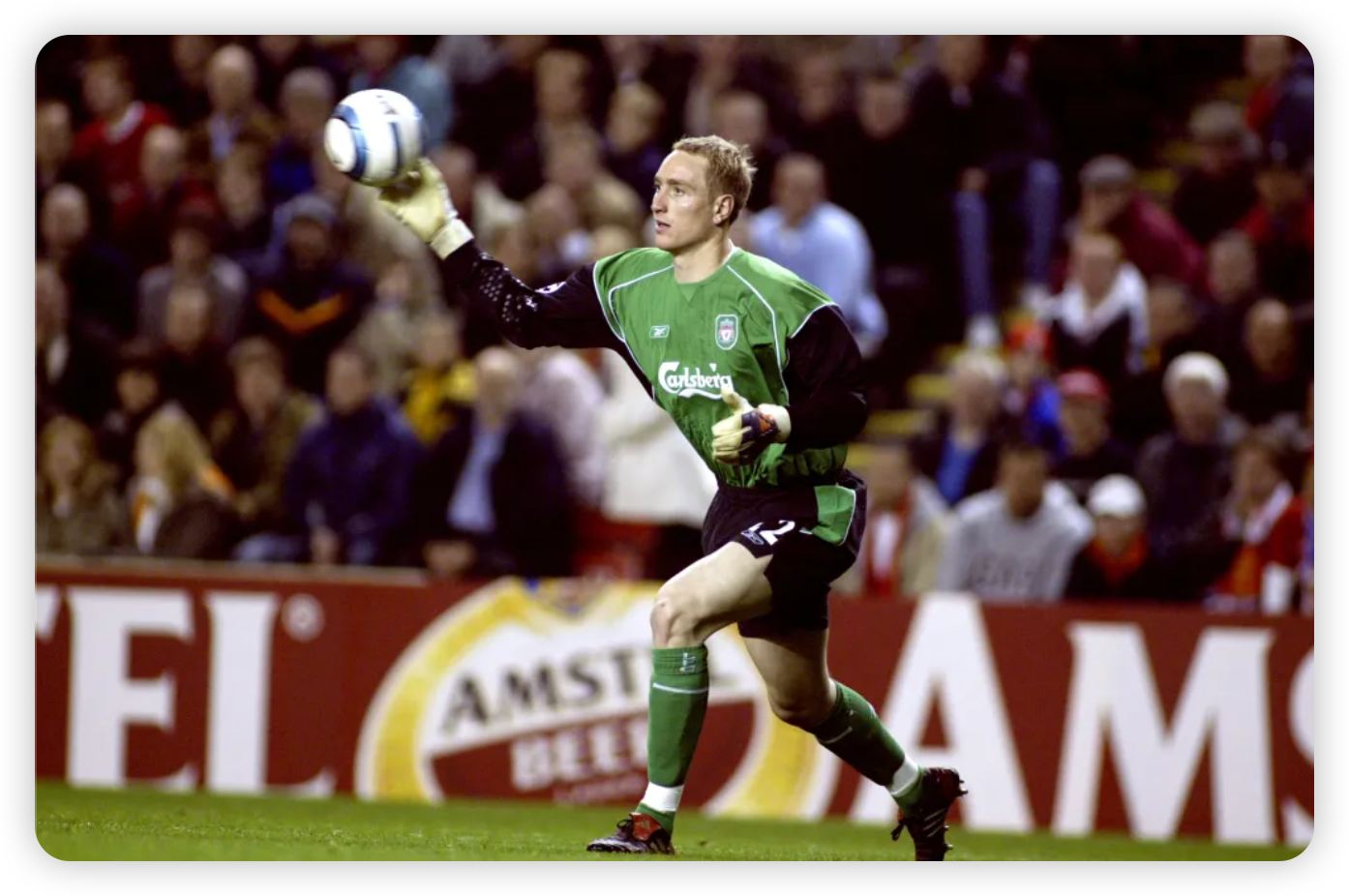
For years, Kirkland carried the public label of being “injury-prone.” In his own words, he lamented to The Guardian, “When people say Chris Kirkland, they say: ‘Always injured.’ It’s not like: ‘Chris Kirkland; he won the Champions League.'” This constant cycle of recovery and setback, the feeling of unfulfilled potential, began to take a profound toll that extended far beyond the physical.
The Silent Struggle and the Decision to Walk Away
Beneath the surface of a professional athlete’s life, a different kind of battle was intensifying. The accumulation of injuries, the uncertainty of his career, and the internal pressure spiraled into severe depression. Kirkland has revealed that his mental health deteriorated to a point where he contemplated suicide. It was the thought of his wife, Leeona, and his daughter, Lucy, that served as a crucial anchor during his darkest moments, providing a reason to keep fighting.
The breaking point came ahead of the 2016-17 season. After signing for Bury just months earlier, Kirkland made the courageous and difficult decision to ask the club to terminate his contract. He recognized that continuing to play was no longer sustainable for his wellbeing. “I was worried how close I was to the next step,” he explained. “That’s why I said: ‘I need to stop playing football’.” At 36, he walked away from the sport, prioritizing his life and his family over his career.
Finding a Way Out Through Conversation
For Kirkland, the turning point didn’t come from a new training regimen or a different club—it came from finding his voice. He credits opening up and talking about his struggles as the single most important step in his recovery. “It’s easy for me to talk about it now because I’ve seen a way out of it,” he shared. “That is the biggest thing and I want other people and other players to know that you’ve just got to talk. I never saw a way out of it until I started to talk about it.”
This message of hope is central to his advocacy today. Kirkland’s experience echoes that of other athletes, like former footballer Leon McKenzie, who have also spoken publicly about their mental health battles, reinforcing that these challenges can affect anyone, regardless of their public persona or profession.
A New Chapter: Advocacy and Perspective
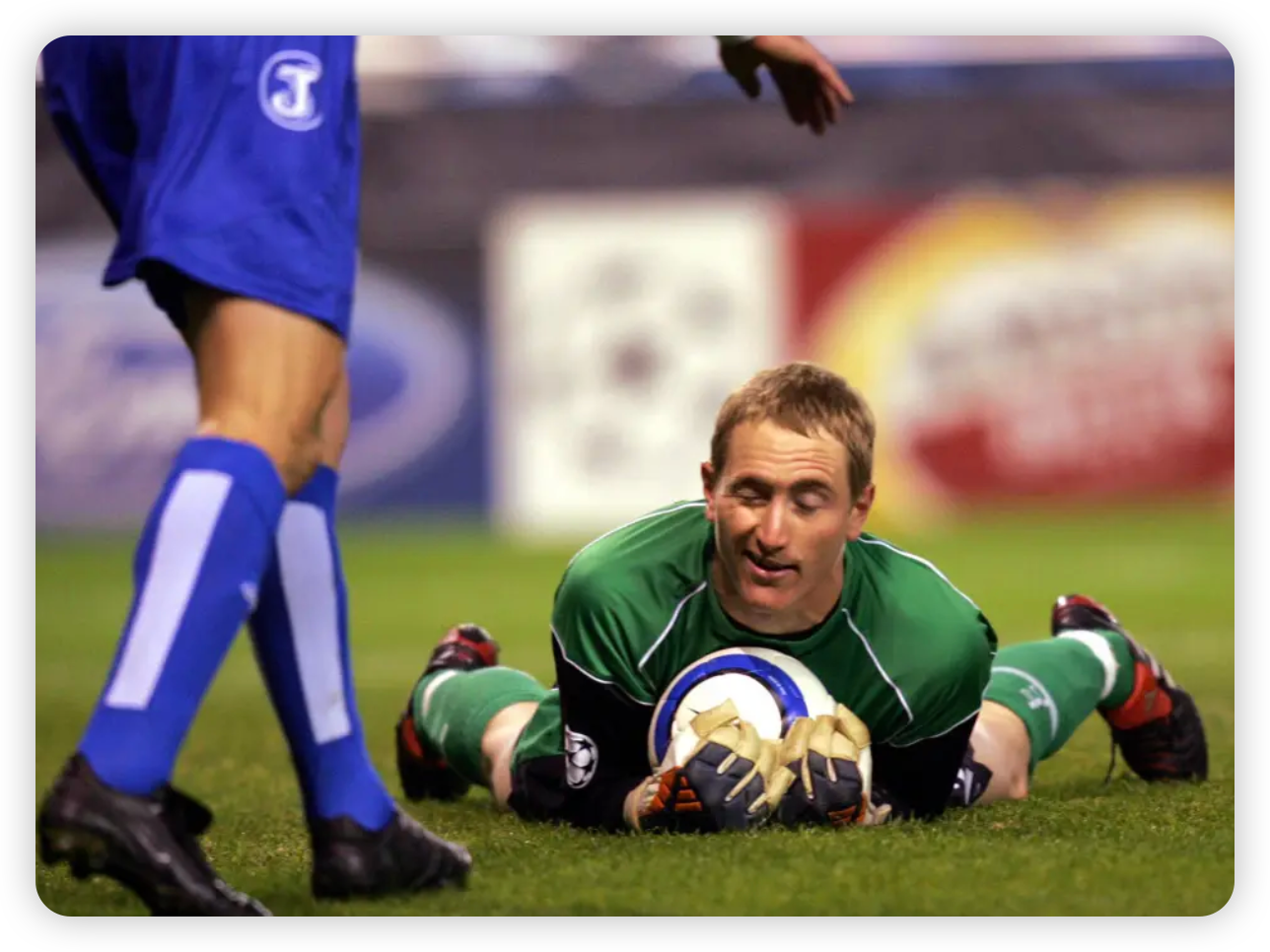
Retirement marked the end of Chris Kirkland‘s playing days but the beginning of a vital new role as a mental health advocate. By sharing his story, he aims to dismantle the stigma that still surrounds mental health, particularly in the hyper-masculine environment of professional sports. He embodies the principle that seeking help is a sign of strength, not weakness.
While he may reflect on what could have been with an injury-free career, his legacy is now being reshaped. It is no longer defined solely by saves made or trophies won, but by the courage to be vulnerable and the lives he may help save by encouraging others to speak up. His journey offers a powerful lesson in the importance of holistic wellbeing, a topic that platforms like Krikya are committed to highlighting in the world of sports.
# Chris Kirkland’s Brave Battle: From Champions League Glory to Mental Health Advocacy
Chris Kirkland’s story is a profound reminder that the scoreboard never tells the whole story. His path from Champions League winner to a man battling suicidal thoughts, and now to a vocal mental health advocate, is a narrative of incredible human resilience. His key message is simple yet powerful: talk, because it can be the first step toward finding a way out. We at Krikya commend his bravery and hope his story encourages more open conversations.
Have you been affected by the issues raised in this article? Do you think sports organizations are doing enough to support athlete mental health? Share your thoughts and experiences in the comments below, and explore more insightful sports features right here on our website.
