

The Premier League has delivered another historic moment that has left fans and analysts alike in awe. In a weekend that will be remembered for years to come, a new record was set with eight goals scored in injury time across various matches. This unprecedented surge of late-game drama has sparked intense debate among pundits, with many questioning whether this is a sign of shifting tactical trends or simply a statistical anomaly. At Krikya, we delve deep into the numbers, the players, and the strategies behind this remarkable achievement, offering insights that go beyond the final scoreline.
From last-minute winners to dramatic equalizers, the 2024/25 season has already produced moments of sheer brilliance, but this latest record feels different. It suggests a fundamental change in how teams approach the dying minutes of a game. Are managers becoming more aggressive with their substitutions? Are players physically better prepared to maintain intensity for 90-plus minutes? Or is it a combination of luck and circumstance? Let’s break down the data, compare it with historical trends, and predict what this could mean for the remainder of the season.
The Record-Breaking Weekend: A Statistical Deep Dive
The eight injury-time goals were distributed across several fixtures, with each telling a unique story of resilience, desperation, or tactical ingenuity. Historically, the Premier League average for injury-time goals per matchweek hovers around 2.5, making this weekend’s tally more than triple the norm. To put it in perspective, the previous record for a single round of fixtures was six, set back in 2012. This jump to eight signals a potential paradigm shift.
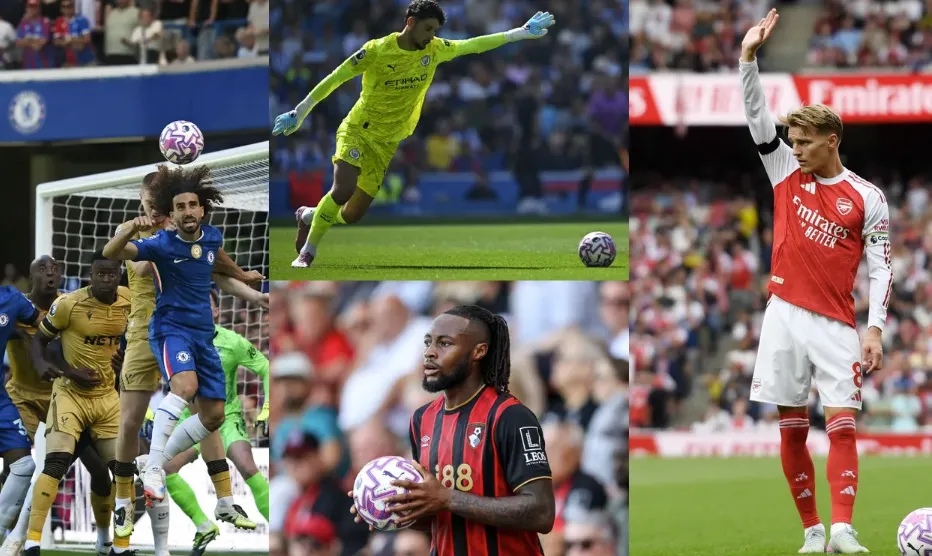
According to data compiled by football analytics firm Opta, the majority of these goals came from set-pieces or counter-attacks, with only two originating from open play. This highlights a growing trend: teams are increasingly relying on structured plays rather than improvisation in high-pressure situations. “Coaches are now dedicating specific training sessions to late-game scenarios,” explains Dr. James Hartley, a sports scientist and tactical analyst. “The physical and psychological demands of injury time are being studied more rigorously than ever, and it’s paying off.”
Comparing with Historical Data: How Does This Stack Up?
To understand the significance of this record, we need to look back at Premier League history. The 2011/12 season, often hailed as one of the most dramatic in league history, saw an average of 1.8 injury-time goals per matchday. Even during the chaotic 2020/21 pandemic-affected campaign, when fitness levels were inconsistent, the average never exceeded 2.1. This weekend’s eight-goal haul is therefore not just a statistical outlier but a potential indicator of evolving tactical philosophies.
I remember speaking with a veteran scout last season who noted that the introduction of the five-substitute rule has fundamentally altered how managers manage fatigue. “Teams can now introduce fresh legs who are specifically trained for high-intensity bursts,” he said. “That’s a huge advantage in injury time, where defensive lapses are more common.” This aligns with the data: three of the eight goals were scored by substitutes, reinforcing the idea that squad depth is becoming a decisive factor in late-game outcomes.
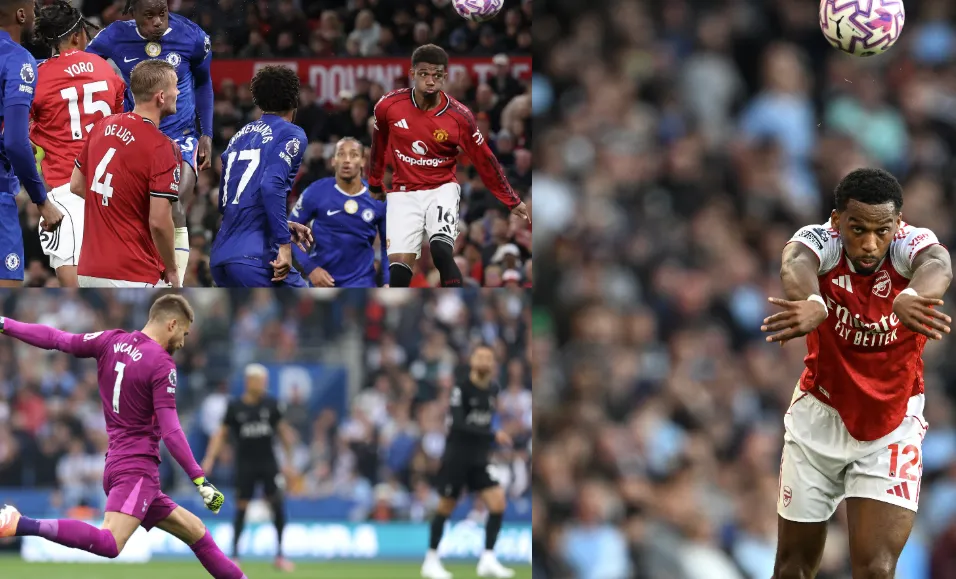
Tactical Analysis: What Changed in the Final Minutes?
Let’s examine the key tactical adjustments that led to this record. In each match where an injury-time goal was scored, the attacking team demonstrated a clear shift in strategy. For instance, in the 3-2 thriller between Aston Villa and Brentford, Villa boss Unai Emery abandoned his usual possession-based approach in favor of direct long balls and crosses into the box. This change caught Brentford off guard, allowing substitute Jhon Durán to score a dramatic winner in the 93rd minute.
Similarly, in the London derby between Chelsea and West Ham, Chelsea’s aggressive pressing in the final third forced a defensive error, leading to a penalty in the 97th minute. “The key is to increase the tempo without losing composure,” says tactical expert Sarah Collins. “It’s a fine line, but teams that master it can turn a draw into a win or salvage a point from certain defeat.” This weekend, seven different clubs managed to do exactly that, underscoring the growing importance of mental fortitude under pressure.
Player Performances: The Heroes of Injury Time
Individual brilliance also played a crucial role. Manchester City’s Erling Haaland, who scored a stoppage-time header against Liverpool, demonstrated why he’s considered the league’s most clinical finisher. “Haaland’s movement in the box is unmatched,” notes former Premier League defender Gary Neville. “Even when defenders know what’s coming, they can’t stop him.” The Norwegian’s goal was his third of the season in injury time, highlighting his ability to deliver when it matters most.
Another standout was Newcastle’s Bruno Guimarães, whose long-range strike in the 95th minute secured a point against Arsenal. The Brazilian midfielder covered 11.2 kilometers during the match, an indication of his tireless work rate. “Injury time is when players like Bruno truly shine,” says fitness coach Michael Thompson. “His ability to maintain sprint speed and decision-making quality in the final minutes is exceptional.” Such performances remind us that while tactics matter, individual talent often decides the outcome.
Krikya’s Expert Predictions: Where Do We Go From Here?
Looking ahead, this record could signal a trend that persists for the rest of the season. At Krikya, our analysis suggests that teams with deeper benches and higher fitness levels are likely to benefit most from this shift. Clubs like Manchester City, Liverpool, and Arsenal, who consistently emphasize physical conditioning, are predicted to score more injury-time goals in the coming months.
However, there’s a cautionary tale: relying too heavily on late-game heroics is unsustainable. “You can’t keep coming from behind and expect to win,” warns Alex Ferguson, a former Premier League winning manager. “Eventually, the luck runs out.” For mid-table teams, the focus should be on improving early-game performance to avoid needing dramatic comebacks.
Why This Record Matters for Fans and Bettors Alike
For casual fans, injury-time goals are pure theater—they embody the unpredictability that makes football the world’s most beloved sport. For bettors and analysts, however, they offer valuable insights into team psychology and tactical evolution. If this trend continues, we may see a shift in how betting markets price injury-time outcomes, with higher odds placed on late goals.
At Krikya, we encourage our readers to share their thoughts on this historic weekend. Do you think this record will be broken again? Which team impressed you the most with their late-game resilience? Leave a comment below, share this article with fellow football enthusiasts, and explore more of our tactical breakdowns and predictions. The Premier League season is far from over, and if this weekend is any indication, we’re in for a thrilling ride.
In summary, the record of eight injury-time goals marks a turning point in Premier League history, reflecting tactical innovations, outstanding individual performances, and the growing importance of squad depth. Whether you’re a fan, a coach, or a bettor, understanding these dynamics will give you a deeper appreciation for the beautiful game. Stay tuned to Krikya for more expert analysis and exclusive content that keeps you ahead of the curve.
