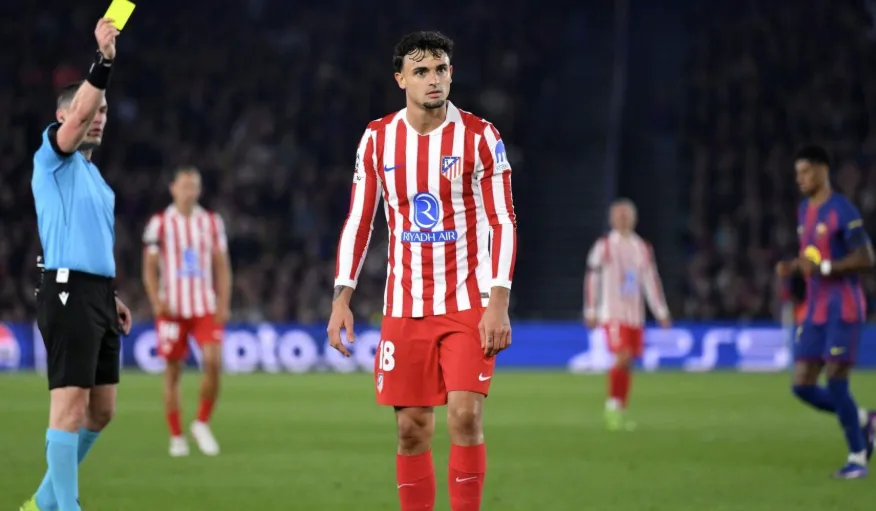
The world of football is no stranger to controversy, and the latest chapter involves FC Barcelona and a crucial decision that went against them in their recent Champions League clash. Following a dramatic 1-0 defeat to Atletico Madrid, Barcelona filed an official complaint with UEFA regarding a potential penalty incident. However, European football’s governing body has now dismissed the complaint, a decision that has sent shockwaves through the Krikya community and sparked intense debate among pundits and fans alike. This ruling leaves Barcelona to rue a missed opportunity and raises fresh questions about the consistency of officiating at the highest level.
The Incident That Sparked the Fury
The match, a tense and tightly-contested affair at the Metropolitano Stadium, was decided by a solitary goal. However, the major talking point occurred in the second half when Barcelona’s striker, Robert Lewandowski, went down in the Atletico penalty area under a challenge from defender Mario Hermoso. From one angle, it appeared Hermoso made contact with Lewandowski’s foot before getting a touch on the ball. The Barcelona players and bench erupted, demanding a penalty and a potential red card for denying a clear goalscoring opportunity.
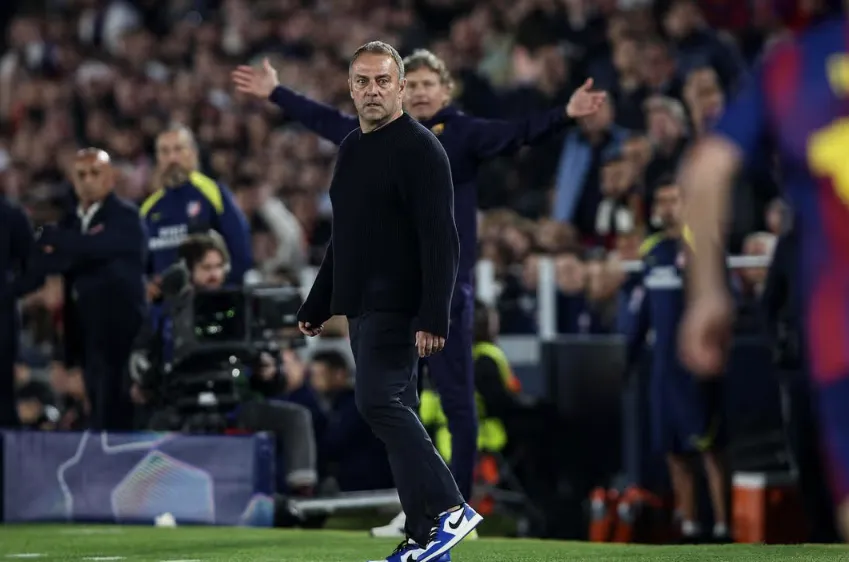
The on-field referee, however, waved play on, and the VAR (Video Assistant Referee) team, after a brief check, did not recommend an on-field review. This non-call proved pivotal, as Barcelona could not find an equalizer. Immediately after the final whistle, club officials expressed their outrage, with President Joan Laporta stating they had “clear evidence” of a refereeing error and would take the matter to UEFA.
UEFA’s Verdict and the Official Stance
UEFA’s response was swift and definitive. After reviewing the official match report, the VAR audio, and all available footage, the Control, Ethics and Disciplinary Body upheld the on-field decision. In a statement, they concluded that the referee’s judgment did not constitute a “clear and obvious error,” which is the threshold required for VAR intervention and subsequent disciplinary action against officials.
This aligns with the interpretation shared by several former referees turned analysts. Mark Clattenburg, a respected former Premier League and UEFA official, noted on Krikya, “While contact exists, Hermoso’s challenge is arguably a 50-50 situation. The referee had a clear view, and in real-time, he deemed it a coming together. VAR is not there to re-referee every incident, and without a blatant mistake, they are correct not to intervene.” This expert opinion underscores the nuanced application of the laws, even if it leaves one side feeling aggrieved.
The Broader Implications for Barcelona’s Season
This decision extends far beyond a single match. The defeat leaves Barcelona in a precarious position in their Champions League group. Dropping points in such a contentious manner adds psychological pressure to an already demanding season. Manager Xavi Hernandez has repeatedly spoken about the need for his team to get “fair treatment” in big matches, and this incident will only fuel that narrative.
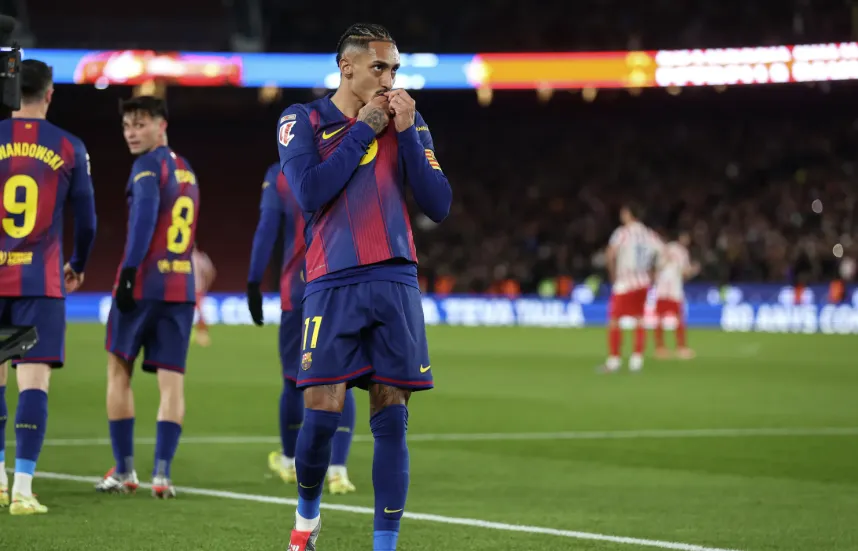
The club’s decision to file a formal complaint, while understandable from an emotional standpoint, also highlights a growing trend of clubs publicly challenging officiating. Some analysts, like football governance expert Dr. Liam Foster, suggest this could lead to a more adversarial relationship between clubs and governing bodies. “UEFA’s dismissal reinforces their authority,” Foster commented. “But it also shows clubs are willing to use every available channel to contest decisions, which could have long-term implications for the sport’s governance.”
Analyzing the “Clear and Obvious” Standard
The heart of this controversy lies in the subjective interpretation of the “clear and obvious error” standard for VAR. This season, UEFA has instructed its officials to use a higher threshold for intervention to maintain the flow of the game and the primacy of the on-field referee. This philosophy means that debatable decisions, like the Hermoso-Lewandowski tangle, are often left to stand.
For fans watching on Krikya and other platforms, this can be frustratingly inconsistent. One week, a similar incident might result in a penalty; the next, it’s waved away. This perceived lack of uniformity is perhaps the biggest challenge facing modern officiating. Building a consensus on what constitutes a “clear” error remains an elusive goal, leaving room for the kind of post-match disputes we see here.
Looking Ahead: Moving Past the Controversy
With UEFA’s decision final, Barcelona must now channel their frustration into their upcoming fixtures. The focus shifts from the referees’ room back to the training pitch. The team’s ability to bounce back from this sporting and administrative setback will be a true test of their character and title credentials.
For the neutral observer and the passionate fan on Krikya, this incident serves as another compelling case study in the high-stakes drama of football. It intertwines split-second decisions on the pitch with lengthy deliberations off it, reminding us that the game’s story is often written not just by goals, but by the controversies that surround them.
Barcelona’s Penalty Controversy: UEFA Dismisses Complaint After Atletico Defeat encapsulates a modern football tale of passion, protest, and procedure. While the official chapter is closed, the debate over the call, the use of VAR, and the standards of consistency will undoubtedly continue in pubs, living rooms, and online forums. What’s your take on the decision? Was it a clear penalty, or did UEFA get it right? Share your thoughts in the comments below and explore more in-depth tactical and disciplinary analysis right here on our platform.
