
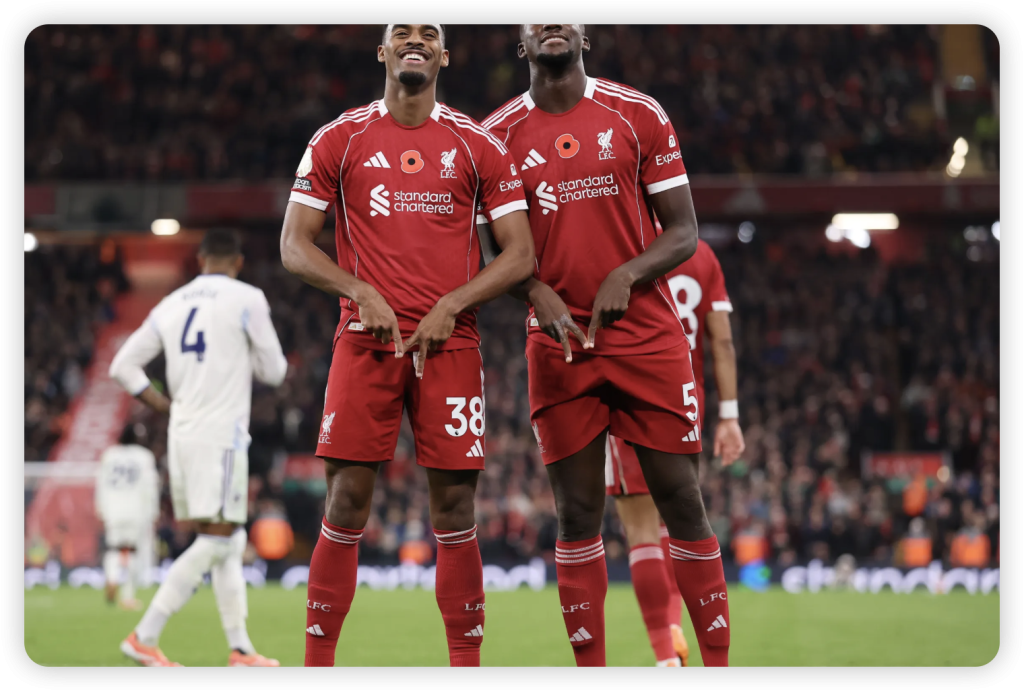
The story of Liverpool Football Club’s rebirth is one of the most remarkable tales in modern football. From the brink of financial ruin to the pinnacle of European and domestic glory, the past decade under Fenway Sports Group represents a masterclass in sports franchise transformation. As we examine this incredible journey, Krikya brings you an in-depth analysis of how visionary ownership and strategic planning resurrected a sleeping giant.
The Darkest Hour: Pre-FSG Turmoil
Before the dawn came the darkest night. Liverpool FC found itself in a precarious position under the ownership of Tom Hicks and George Gillett. The American businessmen, who acquired the club in February 2007, had piled debt onto the historic institution, creating what former chief executive Ian Ayre described as a “harrowing” period for everyone involved.
“The banks, RBS in particular, were ready to call default on the loans that the owners had,” Ayre revealed in an exclusive retrospective. “They made it clear if we didn’t work with them to find a buyer then they would foreclose and that would have meant administration.”
The fan response was unprecedented. Joe Blott of the Spirit of Shankly fans’ group reflected on those difficult times: “They were difficult and dark times for Liverpool fans. I’ve got massive admiration for the men and women who took the challenge to Hicks and Gillett and organized the marches and leaflet drops. It showed that football fans can’t be taken for granted.”
The Courtroom Drama: A Billion-Dollar Battle
The transfer of power wasn’t smooth. What ensued was a bitter legal battle that stretched across the Atlantic, with hearings in both London’s High Court and the 160th District Court in Dallas, Texas. The outgoing owners sued the independent directors for a staggering billion dollars in a desperate attempt to maintain control.
Sky Sports journalist Alan Myers witnessed the drama firsthand: “I went to Dallas to get an interview with Hicks during the court case. There were four Liverpool fans in replica shirts with big Texan hats who tried to get a chant going about Tom Hicks. The judge quickly put a stop to that.”
The legal proceedings revealed the complete disconnect between the owners and the club’s culture, with Myers noting the judge even mispronounced “Kop Holdings” as “K-O-P Holdings,” highlighting the cultural divide.
American businessmen George Gillett and Tom Hicks seen here during their tumultuous ownership period that began in February 2007
The Fenway Revolution: Strategic Rebuilding
On October 15, 2010, New England Sports Ventures (later known as Fenway Sports Group) officially took control, marking the beginning of a new era. The importance of selecting the right buyer wasn’t lost on those involved in the process.
Ian Ayre emphasized the careful consideration: “We were all probably more aware than anyone else just how important the selection of the new buyer was. There were some very good organizations like Fenway and some not so pretty organizations on the face of it. They are good people who know their stuff and are seasoned sports owners.”
The FSG approach focused on sustainable growth, smart recruitment, and infrastructure development. Their early decisions included appointing Damien Comolli as director of football strategy and making the difficult but necessary decision to replace Roy Hodgson with club legend Kenny Dalglish.
The first transfer window under new ownership set the tone for their ambitious yet calculated approach. The £50 million sale of Fernando Torres to Chelsea was reinvested in Luis Suarez and Andy Carroll, demonstrating a willingness to make tough decisions for long-term gain.
Building a Legacy: Infrastructure and Investment
FSG’s vision extended beyond the pitch. In December 2014, the club confirmed the redevelopment of Anfield’s Main Stand, which eventually opened in September 2016, providing 8,500 new seats and modern facilities while preserving the stadium’s historic character.
Commercial growth became another cornerstone of the FSG strategy. The February 2015 kit deal with New Balance, worth £300 million, signaled Liverpool‘s return to the upper echelon of football’s commercial landscape. This business-minded approach provided the financial foundation for sporting success.
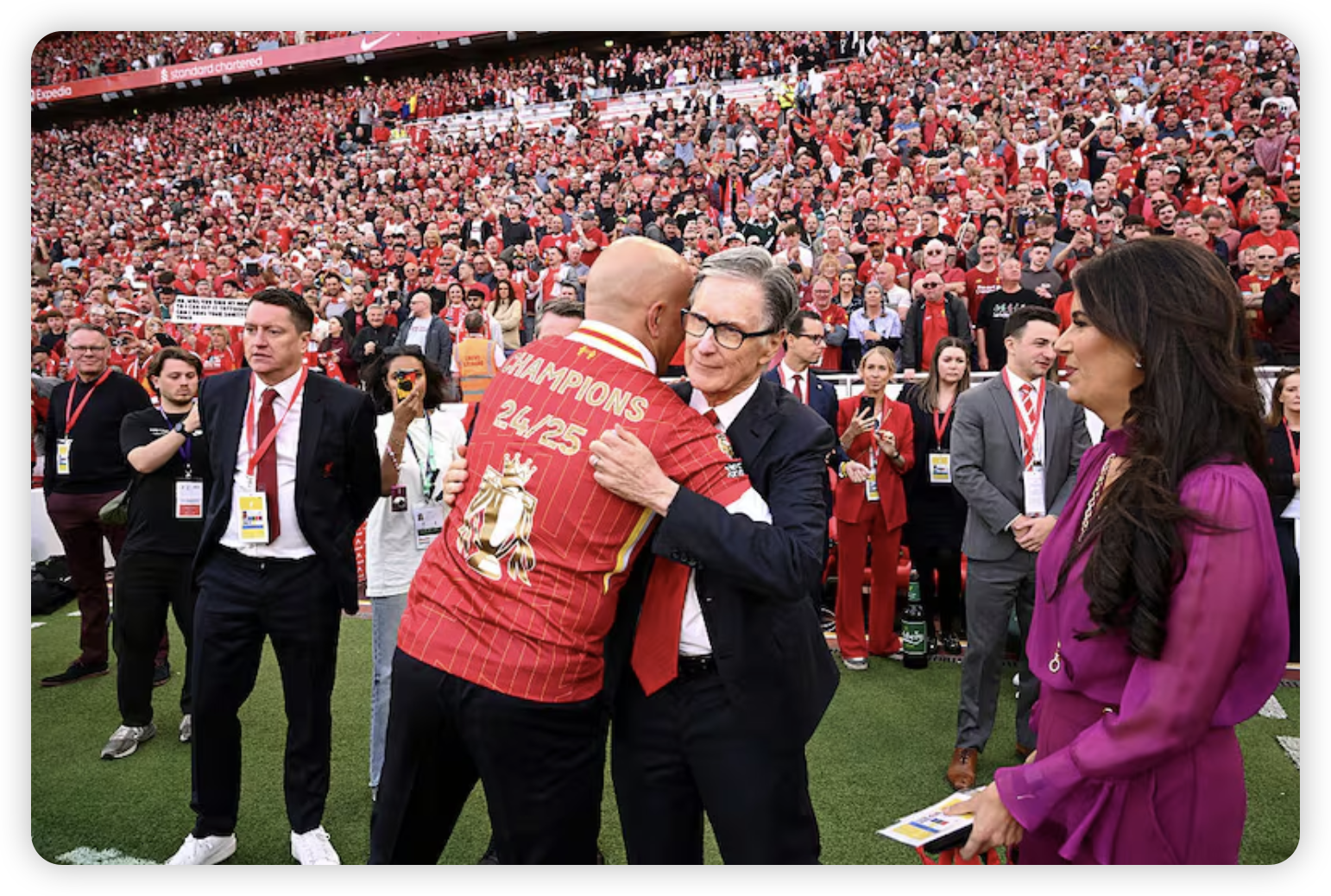
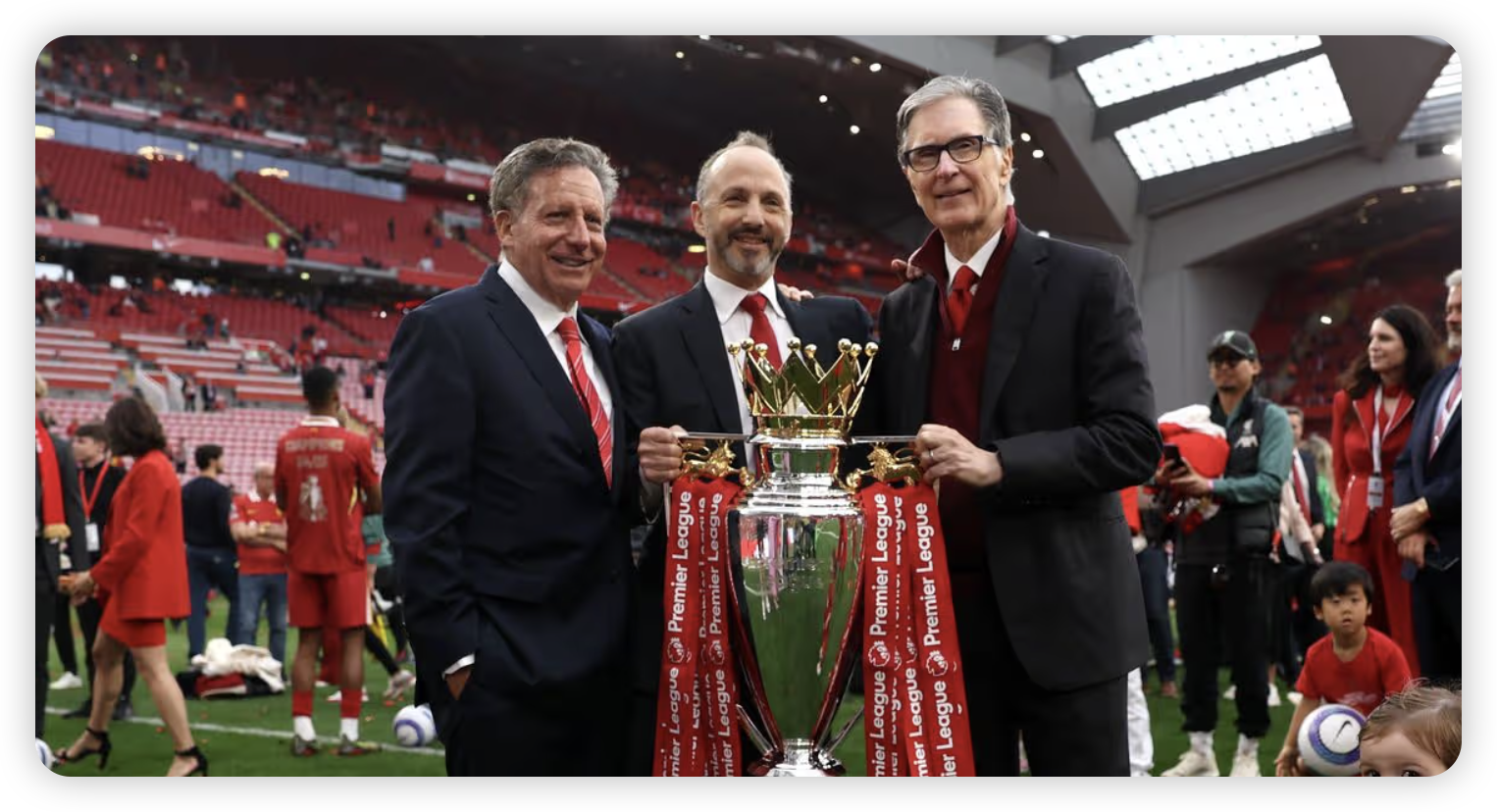
FSG principal owner John W Henry celebrating a decade of transformative leadership at Liverpool Football Club
The Klopp Revolution: From Promise to Glory
Perhaps FSG’s most inspired decision came in October 2015, when they identified Jurgen Klopp as the perfect architect for their project. The charismatic German brought not just tactical innovation but a unifying philosophy that resonated with Liverpool’s heritage.
Joe Blott captured the sentiment of many fans: “Anyone who can bring Jurgen Klopp to our club has to be praised because he’s the next best thing to Bill Shankly in terms of his philosophy, his values, and his principles.”
Under Klopp’s guidance, Liverpool underwent a remarkable transformation. The 2018 Champions League final appearance, though ending in defeat to Real Madrid, signaled the team’s return to Europe’s elite. The following season brought the club’s sixth European Cup with a victory over Tottenham, followed by the long-awaited Premier League title in June 2020.
Engagement and Accountability: A New Relationship with Fans
The FSG era also brought a significant shift in how the club engaged with its supporter base. Unlike the previous regime, the new ownership recognized the importance of fan representation and dialogue.
“The engagement is much more positive now,” noted Joe Blott. “People who work at the club now are focused on engaging with us and we hold the club to account.” This collaborative approach has helped create a unified front between ownership, management, players, and supporters.
Krikya Analysis: The FSG Blueprint for Success
What makes the FSG story particularly compelling from a sports management perspective is their methodical approach to rebuilding. They avoided the quick-fix solutions that often plague football clubs, instead implementing a long-term strategy that addressed multiple facets of the organization simultaneously.
Their model combined:
- Smart player recruitment focused on value and potential
- Infrastructure development to increase revenue streams
- Commercial partnerships that enhanced global brand presence
- Strategic management appointments aligned with club philosophy
- Sustainable financial practices that ensured long-term stability
This comprehensive approach transformed Liverpool from a club burdened by debt to one of the most valuable football franchises in the world, all while achieving the ultimate prize: on-field success.
Looking Ahead: The Next Decade
As Liverpool celebrates a decade under FSG, the foundation has been set for continued success. The challenge now lies in maintaining their position at the summit of English and European football while navigating the financial realities of the modern game.
The FSG era demonstrates that with visionary leadership, strategic planning, and a commitment to the club’s core values, even the most storied institutions can be resurrected from the brink of crisis to achieve unprecedented glory.
What are your thoughts on FSG’s tenure at Liverpool? Share your memories of the past decade and your hopes for the future in the comments below. Don’t forget to follow Krikya for more in-depth sports analysis and exclusive content.
